You don't need to have read a single business book to get onto a business degree. Nobody is going to quiz you on Adam Smith in your first seminar. But turning up with a few good ones behind you makes the first term easier. Those first weeks are mostly about learning new terms and ideas, and if you've read one or two of these, you'll recognise some of it already.
There are thousands of business books out there and no obvious place to start. These five are the ones worth reading first. Each one covers something you'll come across again in your first year, and none of them is heavy going. You'll have plenty of heavy reading waiting for you in September.
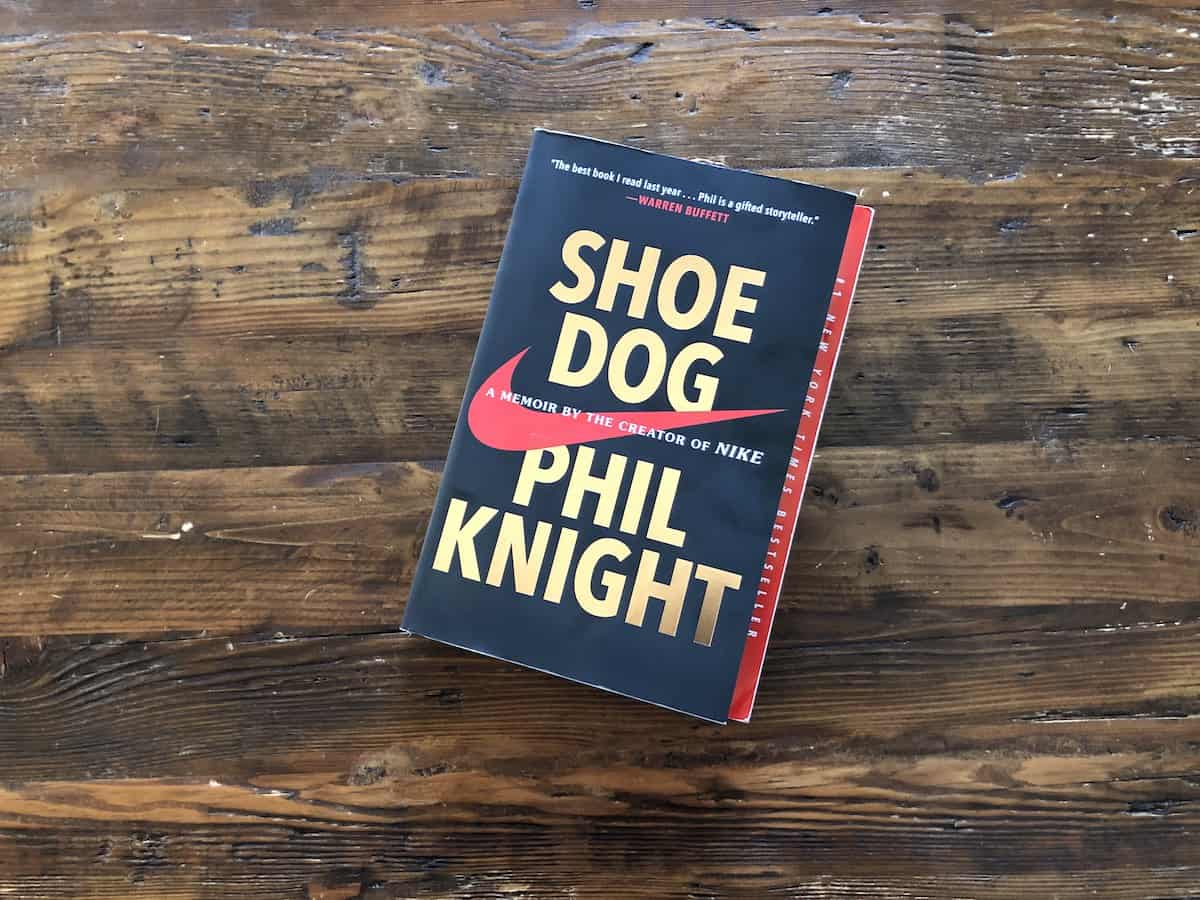
Shoe Dog by Phil Knight
The story of how Nike got started, told by the man who built it. Knight spends most of the book nearly out of cash, falling out with suppliers and quietly wondering whether he has wasted his twenties. His bank drops him halfway through.
Textbooks tend to introduce you to a company after it has already won, with the strategy explained neatly in hindsight. Knight writes from inside the uncertainty, when nobody knew whether any of it would work. Read it, and you'll give a much better answer than most people when a tutor asks why a business succeeded.
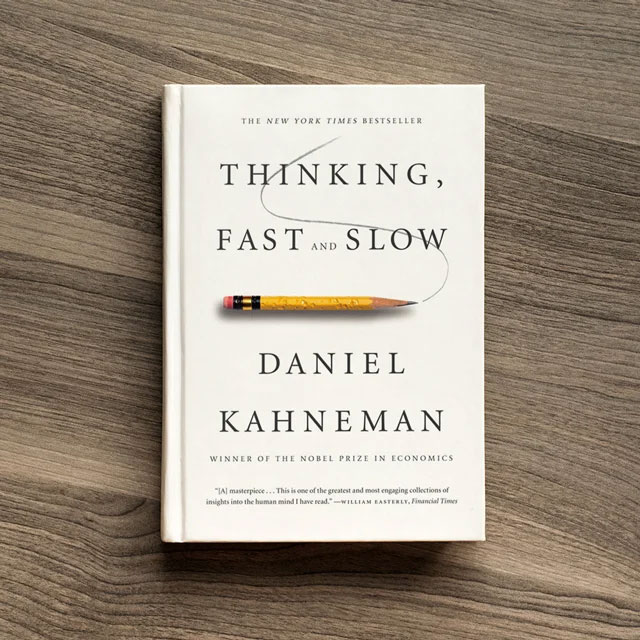
Thinking, Fast and Slow by Daniel Kahneman
Kahneman won a Nobel Prize for showing that people don't make decisions the way economics assumed they did. We're quick, emotional, overconfident and easily swayed by the way a choice is put in front of us.
Marketing, finance and management all sit on top of that finding. It's why customers reach for the middle-priced option, and why whoever says the first number in a negotiation usually ends up with the better deal.
Fair warning: this is the heaviest book here. Treat it as a slow read, a chapter a week, and you'll still take more from it than you would from three lighter books at speed.
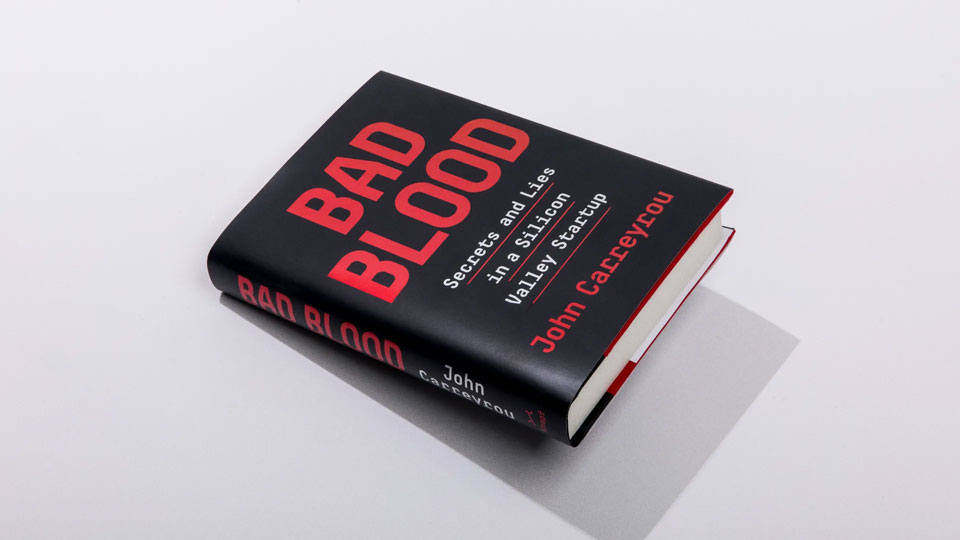
Bad Blood by John Carreyrou
Theranos was a health technology company valued at nine billion dollars. Its blood testing machines didn't work. Carreyrou is the Wall Street Journal reporter who broke the story, and he shows how a company that impressive attracted that much money, that many famous board members and almost no serious questions.
It's the best introduction to corporate governance you'll find, mostly because it never feels like one. By the end, phrases like due diligence and whistleblowing carry some weight, and you'll spot the difference between a company selling a product and a company selling a story.
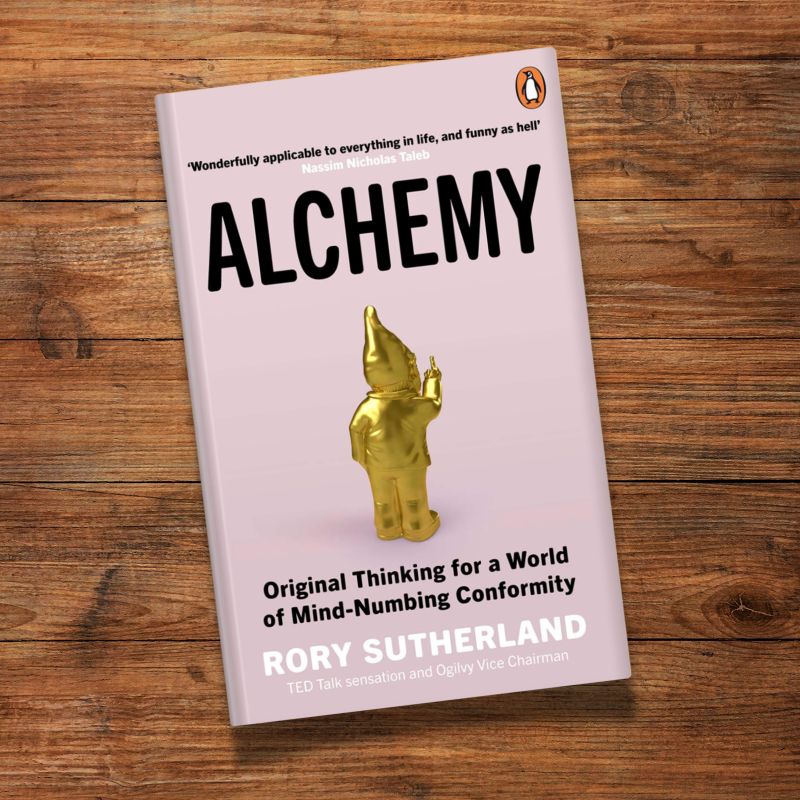
Alchemy by Rory Sutherland
Sutherland is an advertising man, and his argument is that business is far too attached to logic. His favourite example is the fortune spent shaving 40 minutes off the Eurostar journey, when free wifi and a decent carriage would have made the same trip feel shorter for a fraction of the money.
He's very funny, and you'll end up repeating his examples in seminars whether you meant to or not. If you're leaning towards marketing, brand or consumer behaviour, this is the book that makes the subject feel like a creative discipline rather than a technical one.
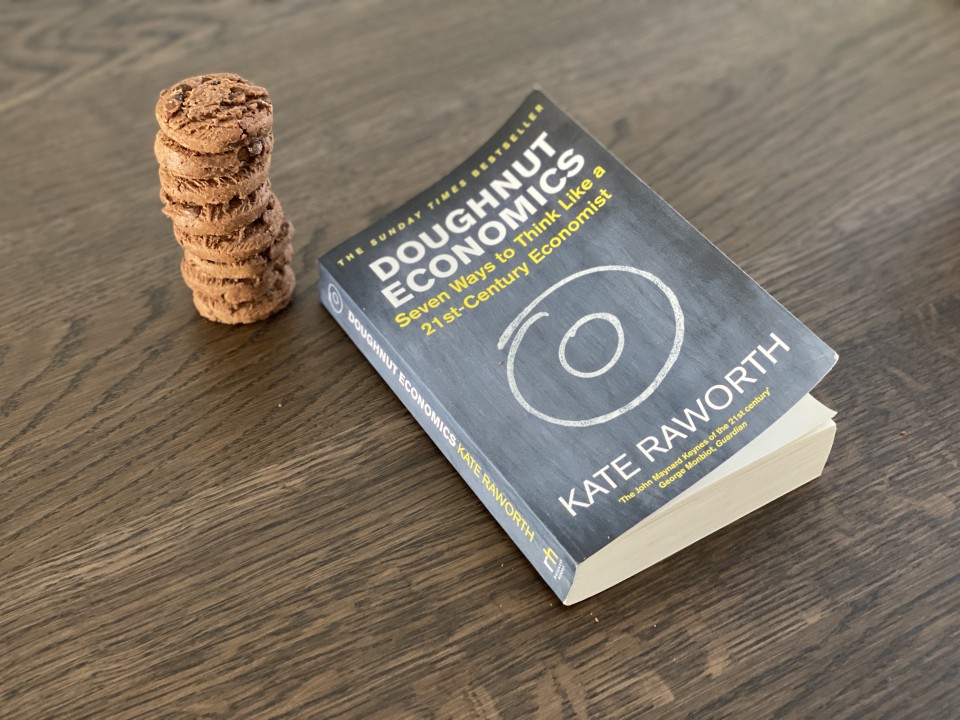
Doughnut Economics by Kate Raworth
Raworth argues that growth is the wrong thing to be measuring. Her alternative is the doughnut of the title: the inner ring is everyone having enough to live on, the outer ring is the point where we start doing lasting damage to the planet, and a healthy economy sits between the two.
It earns its place because it tells you where business is going. Sustainability reporting and responsible leadership now shape how companies are judged, by regulators and by the graduates deciding who to work for. Raworth gives you the language to talk about all of that properly, in an essay or an interview.
How to actually get through them
Five books sounds like a lot when you're finishing school and working at the same time. A few things that help:
- Start with the stories. Shoe Dog and Bad Blood are the easiest to fall into. Begin there and the rest feel less like homework.
- Audiobooks count. All five work well on a commute, and nobody said you have to read with your eyes.
- Don't buy them all. Your local library will have most of them, second-hand copies cost very little, and once you're a student, the university library and its e-book collections are free.
- Write down anything that surprises you. Two or three good examples you can actually remember will do more for an assignment than a stack of finished books.
Come with opinions
Nobody expects you to arrive with all the answers. Show up curious, with a few opinions you're happy to have picked apart, and seminars become worth the early start.
At Greenwich Business School you'll spend the next few years testing ideas like these against live briefs, industry projects and people who have done the job for a living.
Explore our undergraduate and postgraduate business programmes, or book a place at the next open day and come and ask us what we're reading.