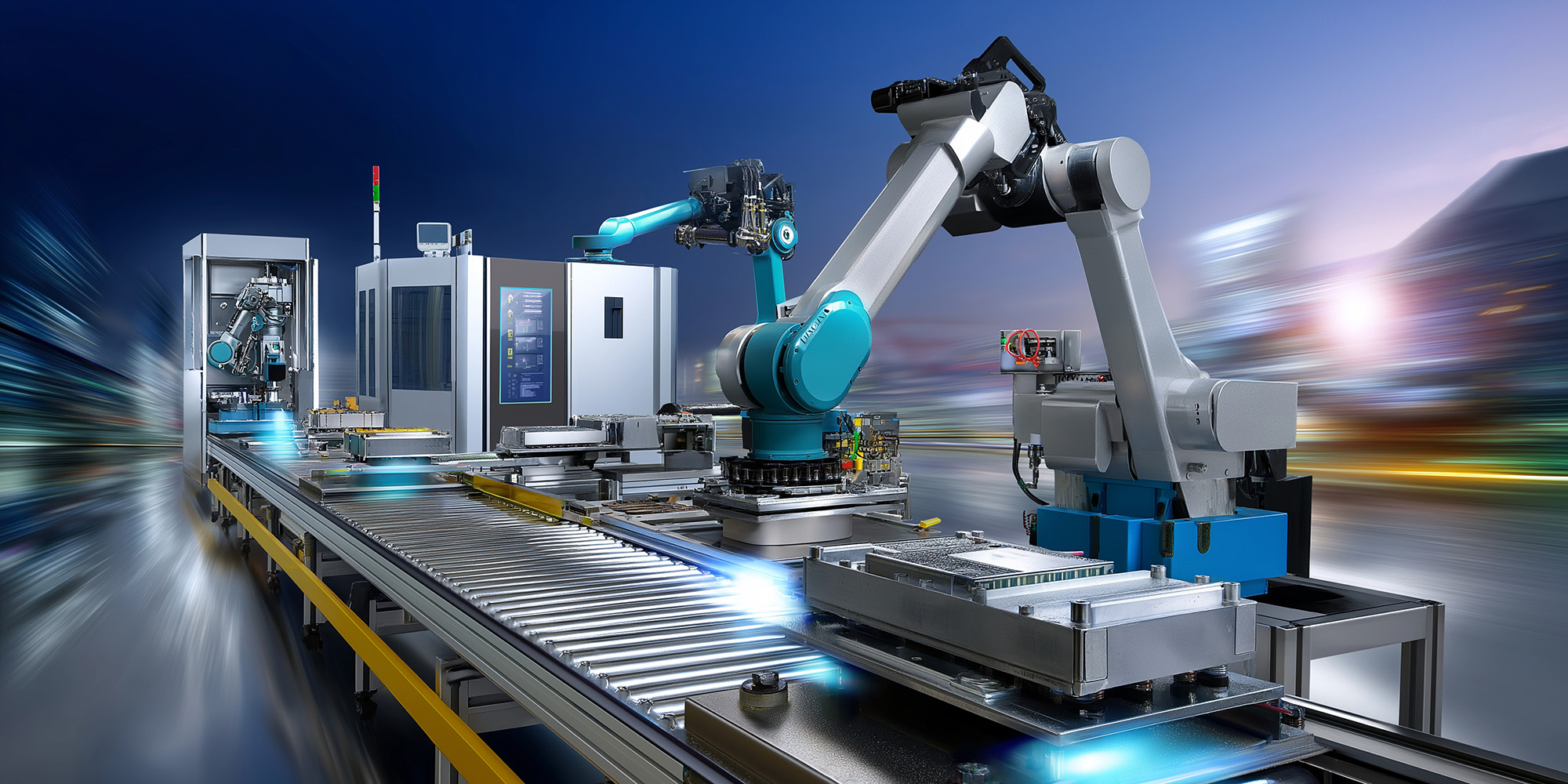
The world is entering a new era of technology - electric vehicles, autonomous systems, renewable energy, and smart robotics are transforming industries at lightning speed. These innovations don’t belong to a single discipline; they demand engineers who can think across boundaries, integrate technologies, and design systems that work seamlessly together.
At the University of Greenwich, our Systems Engineering degree is built for this future. It combines the strengths of electrical, mechanical, and computer-based engineering to give you a versatile skill set that employers are actively seeking. If you want a degree that opens doors across multiple sectors and prepares you for the challenges of tomorrow, this programme is your gateway.
Designed for the Next Generation of Engineers
Industry is rapidly shifting towards electro-mechanical and intelligent automated systems. Employers now want engineers who understand motors and mechanics as well as electronics, sensors, control software, and data. Our programme was designed alongside these evolving demands.
Industry-Relevant Skills
Across all three years, you learn by building, testing, modelling, and programming real systems - from motors and power converters to robotic and automated systems. This practical approach ensures you graduate with confidence and competence.
You will develop expertise in system-level thinking, mathematical modelling, robotics, automation, electrical power systems, mechanical design, and engineering data analysis. These skills are highly valued across modern engineering sectors and prepare you for multidisciplinary roles.
What You Will Study
Year 1 – Building the Foundations of Engineering
Your first year focuses on core engineering principles, professional skills, and essential mathematics. You will explore how electromechanical devices work and begin hands-on tasks using laboratory equipment and modelling software.
Year 2 – Integrating Technologies and Understanding Complex Systems
In the second year, you move into systems-focused learning, covering electrical propulsion, thermofluidic applications, digital systems, and control engineering. You will work on multi-technology projects that combine electronics, mechanics, and automation.
Year 3 – Advanced Systems, Control, and Industry 4.0 Applications
Your final year prepares you for professional practice with advanced control strategies, mechatronics integration, and Industry 4.0 concepts. You will also complete a major individual project, applying everything you’ve learned to design and test a real engineering system.
Fantastic Career Prospects
Graduates in Systems Engineering are in demand because they can work effectively at the intersection of multiple disciplines. Opportunities span automotive, aerospace, renewable energy, advanced manufacturing, AI-enabled automation, consultancy, and research and development.
Employers consistently report shortages in roles requiring multidisciplinary understanding, strong modelling skills, and the ability to integrate hardware, software, mechanical, and electrical systems. Systems Engineers are adaptable, innovative, and capable of managing complex designs - qualities that make them highly sought after.
A Degree That Opens Doors
With expertise spanning mechanical, electrical, and systems engineering, you will graduate ready to enter some of the most exciting sectors of the future, from electric vehicles and robotics to renewable energy and advanced manufacturing.
Choosing Systems Engineering at the University of Greenwich means choosing a degree that is future-proof, industry-aligned, and designed to make you stand out. You won’t just learn theory - you’ll gain hands-on experience, work on real projects, and develop the multidisciplinary skills that employers value most.
If you’re ready to shape the technologies of tomorrow and build a career at the forefront of innovation, this is the programme for you.