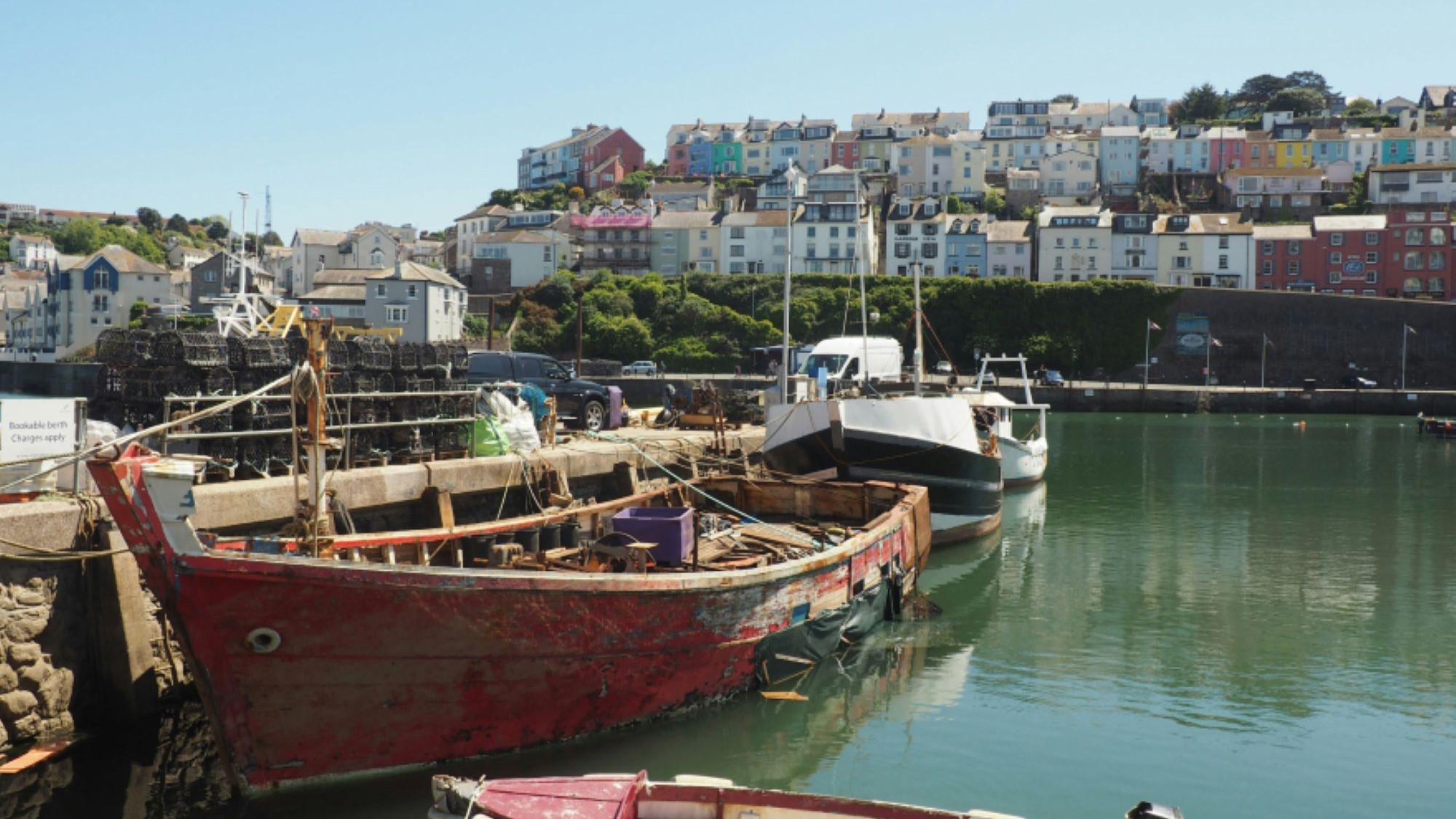
A Greenwich-led, UK-wide research project working with coastal communities across Wales, Scotland, Northern Ireland, and England to co-develop place-based approaches to environmental, social, and economic resilience.
Project Title: Transformative Research Actions for Resilient Coastal Communities (TRACC)
Lead Researcher: Professor Tim Acott
Research Centre: Centre for Communities and Social Justice (CaSJ)
Funder: UK Research and Innovation (UKRI) and the Department for Environment, Food and Rural Affairs (Defra)
Project Value: £2.8 million
Project Duration: 2024–2028
External Project Website: coastalpartnershipsnetwork.org.uk/TRACC
Project Overview
TRACC is a large UK-wide project funded by UKRI that brings together local communities, organisations, researchers, and decision-makers to explore how coastal places can become more resilient, sustainable, and socially just in the face of environmental, social, economic, and cultural change. Led by the University of Greenwich, the project takes a transdisciplinary approach — cutting across environmental, cultural, economic, and social issues through innovative methods such as artistic performance, citizen assemblies, and integrated assessments of people's and nature's diverse values.
Objectives
- Create Resilience Collectives — local partnerships that put community voices at the centre of coastal decision-making
- Build stronger, more confident and more connected coastal communities and make it easier for people to influence coastal planning and decisions
- Test creative and participatory ways of understanding resilience, values, and local priorities
- Share lessons nationally through a new UK Resilience Assembly
- Develop long-lasting relationships and governance structures that continue beyond the life of the project
Key Activities
TRACC is working with coastal communities across Wales, Scotland, Northern Ireland, and England — specifically Mid-North Wales, the Humber Estuary, Lough Foyle, and the Firth of Clyde.
Each Resilience Collective has access to £15,000 of community funding for locally designed projects. Activities may include creative practices such as storytelling, forum theatre, and soundscapes; ocean and climate literacy tools; marine ecosystem modelling; citizen panels; and assessments of the economic and sociocultural values of nature.
Collaborators
TRACC brings together researchers from the University of Greenwich, Aberystwyth University, Cardiff University, Plymouth Marine Laboratory, Queen's University Belfast, University of Glasgow, University of Portsmouth, and University of Strathclyde, alongside partners including Natural England, NatureScot, the Coastal Communities Network, and the Humber Nature Partnership.
More information
For full details on Resilience Collectives, how to get involved, and the UK Resilience Assembly, visit the TRACC project page.