This latest achievement reinforces the University’s trajectory as one of the country’s top modern institutions for life sciences and highlights the exceptional performance of its academic teams, teaching quality and student outcomes.
Continuing a Strong Reputation for Excellence
Following the University’s TEF Gold rating (Teaching Excellence Framework, 2023), this sustained Guardian ranking is further recognition of the outstanding, student-focused experience delivered across the BSc Biology, BSc Biology (Extended), BSc Biomedical Science, BSc Biomedical Science (Extended) and BSc Applied Biomedical Science programmes.
The Guardian’s subject tables consider several factors including student satisfaction with teaching and feedback, staff-student ratios, continuation rates and graduate employment outcomes after 15 months. To maintain a top-three position against nearly 100 institutions offering biology and biomedical science demonstrates the strength and consistency of the School of Science and Natural Resources Institute.
For the second year running, the University has been awarded the maximum score of 10 for Value Added, a rare distinction achieved by only a handful of UK universities offering these subjects. This metric recognises how effectively academic teams support students to exceed expectations and thrive, regardless of background or previous study experience.
Our exceptional teaching, rich laboratory experience and commitment to student wellbeing continue to be recognised at a national level. Maintaining our position in 2026 is a tribute to the dedication of our teams and to the inspiring work our students produce every day.
Professor Linda Brownlow, Head of School
Flexible, research-informed learning
Associate Head of School, Dr Laura Pellatt notes that the programme teams are central to this continuing success.
Our staff bring a remarkable depth of expertise, research activity and professional experience. Their commitment to supporting every student to realise their potential is what defines these programmes.
Students are able to tailor their academic journey from Year 2 onwards, selecting modules from diverse and cutting-edge fields including cancer biology, parasitology, environmental ecology, genomics, and insect biology. These modules are taught by specialists actively engaged in research within the School of Science and the internationally recognised Natural Resources Institute.
The biomedical science programmes remain accredited by the Institute of Biomedical Science (IBMS), with strong employment pipelines into organisations such as the NHS, GSK, Dyson, ADEY, PS Analytical, and other major healthcare and industrial laboratories.
Hands-on learning in outstanding facilities
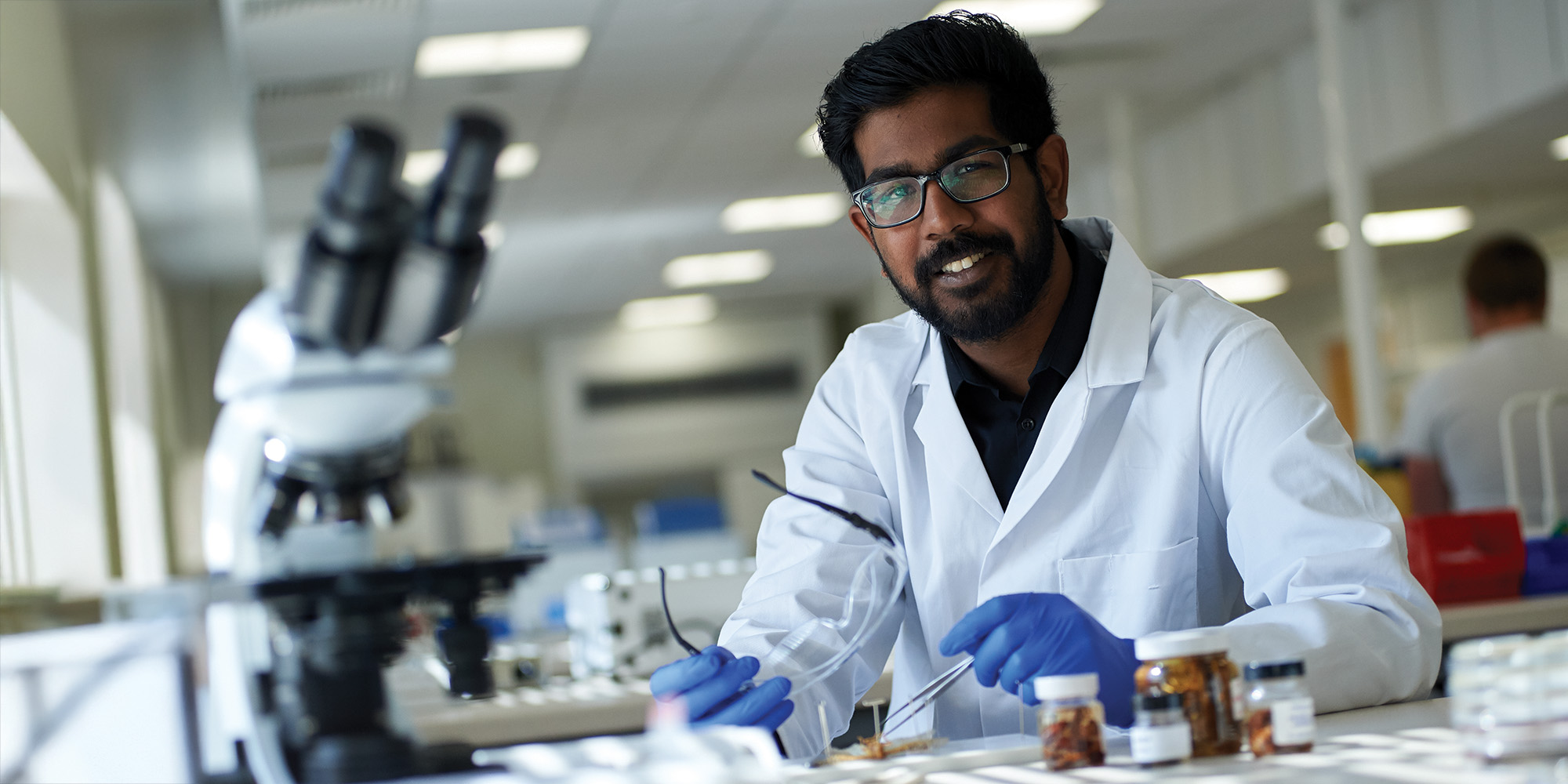
Practical learning continues to be a cornerstone of the Faculty’s approach. The state-of-the-art general science laboratory, opened in 2024 on the Medway Campus, continues to provide an advanced environment for laboratory-based teaching across molecular biology, microbiology, immunology, and biochemistry.
Students also have access to a wide range of UK and international fieldwork opportunities, year-long placements with employers including the NHS and biotech companies and diverse final-year project supervisors from research groups working on global health, sustainability, infectious disease, and environmental science.
A supportive community and enriched student experience
Beyond academic study, students continue to benefit from a vibrant community of societies, events, and networking opportunities. In 2025–26, the Cancer Biology Society expanded its field trips and collaborations, building on previous years’ partnerships with NHS networks and science museums.
Students have also taken part in new cross-department initiatives focused on employability, science communication and community engagement, further strengthening the student experience that underpins the University’s strong national outcomes.