Animation with Foundation Year, BA Hons
Our BA (Hons) degree in Animation with Foundation is designed to provide all the skills you need to get into the film, TV, visual FX or video game industries.
This Animation degree with Foundation covers a range of subjects, from 2D and 3D animation and storytelling to the technical computer graphic skills you need for animation practice. In your foundation Year, you will learn about visual strategy, visual storytelling and visual languages. Following the foundation, our industry-focused modules help you develop specific skills for work in VFX, film and television. These skills are also useful for other industries, such as design, advertising, or games.
To join this degree, you should ideally have a background in art/design and have attempted creative production of some kind, such as photography, video or fine art. The key is to show great visual communication skills. Popular career options for animation graduates include VFX and video games companies, animation and advertising studios, and interactive media companies.
UCAS points
64 (full requirements below)
Course/institution codes
W276 G BA/3DDD
Interested in a different year?
Select your preferred
to view up to date information.
Location
Duration
- 4 years full-time
- 5 years sandwich
Start month
September
Home /international fees 2026/27
£9,790 /£17,975
What you should know about this course
What you will study
This course is being refreshed for 2026/7 building-in employability, real-world problem solving skills, and wellbeing initiatives for a future-focused learning experience. Modules shown are indicative topics and will be updated in Spring 2026.

About the course team
You will be taught by an experienced team of senior academics, artists, practitioners with extensive industry experience and technical demonstrators. At times you may also be taught by trained postgraduate researchers. Teaching is informed by our research, external creative practice and writing.
Animation for me is creativity, cinematics and emotions.

I chose Greenwich as it is one of the best Animation programmes in London. I did a lot of research and knew exactly what I wanted to study, and the University of Greenwich was simply the best fit. The programme exceeded all my expectations.
Come and meet us
We are offering virtual events so you can still experience how Greenwich could be the right university for you.
Next Open Days
Got a question?
To find out more about our Open Days and Campus Tours or if you need any assistance, please email opendays@gre.ac.uk.
Entry requirements
Qualifications
- 64 UCAS Tariff points. We accept A Levels, T Levels, BTECs, Access to HE and all other qualifications with UCAS Tariff points.
We make Contextual offers to this programme. Applicants that meet specific eligibility criteria will be made a contextual offer with a reduced tariff of up to 16 UCAS Tariff points. Other entry requirements such as GCSEs, Interview, etc., will still need to be met. For further information, please see our Contextual Admissions policy.
For more information, use our contact form or call us on 020 8331 9000.
You can also read our admissions policy.
If you are from outside the UK
Available to overseas students?
Yes
Can I use Prior Learning?
Find out more on our Recognition of Prior Learning pages.
How you will learn
Teaching
Learning takes place through a combination of timetabled learning and independent study.
You can view more information about how each module is taught within our 'What you will study' section.
Seminars and workshops enable you to discuss and develop your understanding of topics covered in lectures in smaller groups. You will also be able to meet your dedicated Academic Tutor. Timetabled learning may fall between 9am and 9pm depending on your courses and tutorials.
Class sizes
The typical student intake per year averages 35-40. Lectures are normally attended by larger groups, and seminars/tutorials by smaller groups. Students may be in a module that has a cross-school intake, however, so they may be in lectures of 100-150 students depending on the module.
Independent learning
Outside of timetabled sessions, you are also expected to dedicate time to self-study. This may involve further reading and research for preparing coursework and presentations. You can use Stockwell Street Library and online resources to support you in these activities.
- Attend additional support classes in some modules
- Attend guest lectures from industry experts
- Take part in employability and enterprise workshops
- Join student societies.
Overall workload
If you are studying full-time, you should expect the workload to be similar to a full-time job. For part-time students, this will reduce in proportion with the number of courses you are studying.
Each module you study towards this degree is worth 30-credits except for one 60-credit module in the final year. These represent around 300 or 600 study hours respectively.
If you receive 72 contact hours for a 30-credit module, you should expect to commit 228 hours to independent study to complete it successfully.
Assessment
You can view how each module is assessed within our 'What you will study' section.
Each course has formal assessments which count towards your grade. Some courses may also include 'practice' assignments, which help you monitor progress and do not count towards your final grade.
Feedback summary
We aim to give feedback on assignments within 15 working days.
Dates and timetables
The academic year runs from September to June.
Full teaching timetables are not usually available until term has started.
Official statistics on Discover Uni
Full time
Fees and funding
Tuition fees
| Cohort | Full time | Part time | Distance learning |
|---|---|---|---|
| Home | £9,790 | N/A | N/A |
| International | £17,975 | N/A | N/A |
University is a great investment in your future. English-domiciled graduate annual salaries were £10,500 more than non-graduates in 2023 - and the UK Government projects that 88% of new jobs by 2035 will be at graduate level.
(Source: DfE Graduate labour market statistics: 2023/DfE Labour market and skills projections: 2020 to 2035).
* Home fees
The government regulated undergraduate home tuition fee rate for 2026-27 has been confirmed as £9,790 per year.
Other costs
Trips: Any compulsory field trips are funded by the school.
Resources: For Architecture, Landscape and Design courses, you will produce portfolios of large format plots plus CNC/3D printed models etc. Costs will vary but could reach £250 a year for printing, £100 for model making, and £50 for visiting the sites.
Software: We provide Adobe software and Lynda.com online video tutorials. You will also have access to Nvivo, SPSS Modeler and SPSS Amos. Any licenses for software outside of our range will come at your own cost.
Scholarships and bursaries
We offer a wide range of financial help including scholarships and bursaries.
The Greenwich Bursary
This bursary is worth £700 for new undergraduate students with a low household income, entering Year 0 or 1 who meet the eligibility criteria.
EU Bursary
Following the UK's departure from the European Union, we are supporting new EU students by offering a substantial fee-reduction for studying.
Financial support
We want your time at university to be enjoyable, rewarding, and free of unnecessary stress, so planning your finances before you come to university can help to reduce financial concerns. We can offer advice on living costs and budgeting, as well as on awards, allowances and loans.
Careers and placements
Will I have a work placement?
This course can be taken in sandwich mode, which means you can take a year to work in industry between your second and final years of study. Sandwich placements are relevant to your degree subject and are paid roles. It is the very best way of preparing you for successfully finding a job quickly when you graduate.
How long is my placement?
Sandwich placements last for between 9-13 months. Work-based learning module placements are normally one day a week for either one or two terms depending on the number of credits available from the module.
What are the financial arrangements?
Sandwich placements are paid roles whereas work-based learning module placements are normally unpaid.
What sort of careers do graduates pursue?
The BA Animation with Foundation programme supports the pursuit of careers across Animation, VFX, Games, Advertising and many other creative industries.
Our graduates develop professional level skills not only in animation, but across communication, visual storytelling, motion graphics and motion design, simulation, and many adjacent fields.
Popular career choices for our animation graduates include roles in 3D Animation, motion graphics, VFX, games and product design, as well as creative leads in adjacent industries, collaborations with interdisciplinary practitioners and continued animation and design research and study in specialist fields.
Are internships available?
Students are encouraged to take up Summer internships during the Summer holidays, though it is up to the student to find them. Support is available to students from the Employability and Careers Service when applying for placements and internships.
Do you provide employability services?
Employability activities take place all the time at Greenwich and students are encouraged to take part in as many opportunities as possible. The central Employability and Careers Service provides support for students preparing to apply for placements and graduate roles, such as CV clinics, mock interviews and employability skills workshops. In addition, your School has a dedicated Employability Officer who will be organising work-related activities throughout the year which will help you to build you industry knowledge and networks.
Accommodation
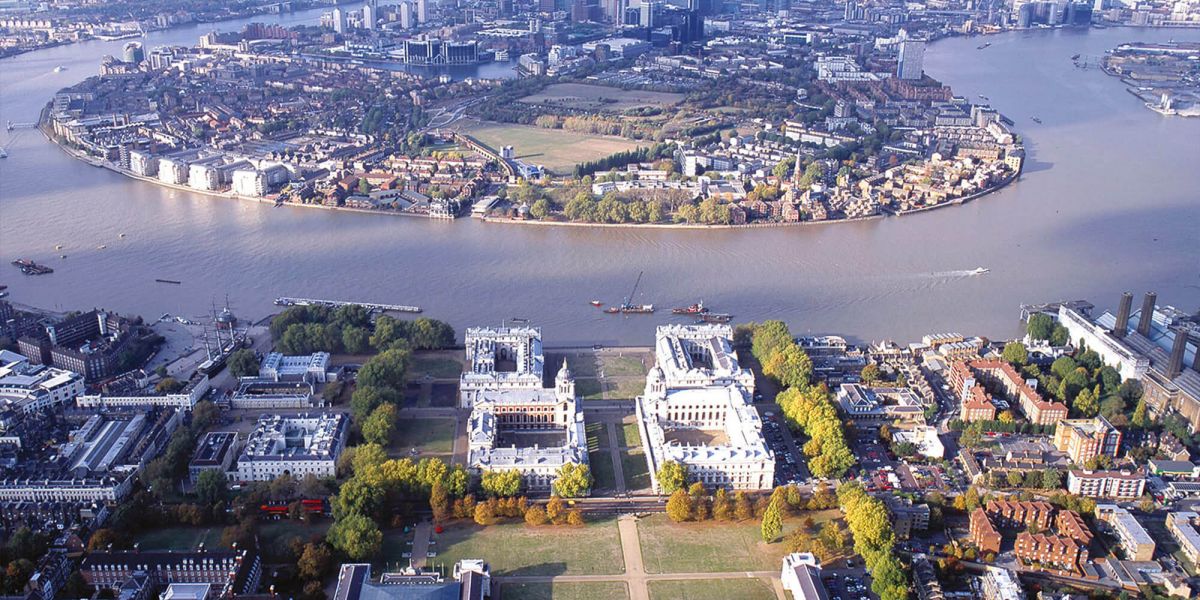
Greenwich
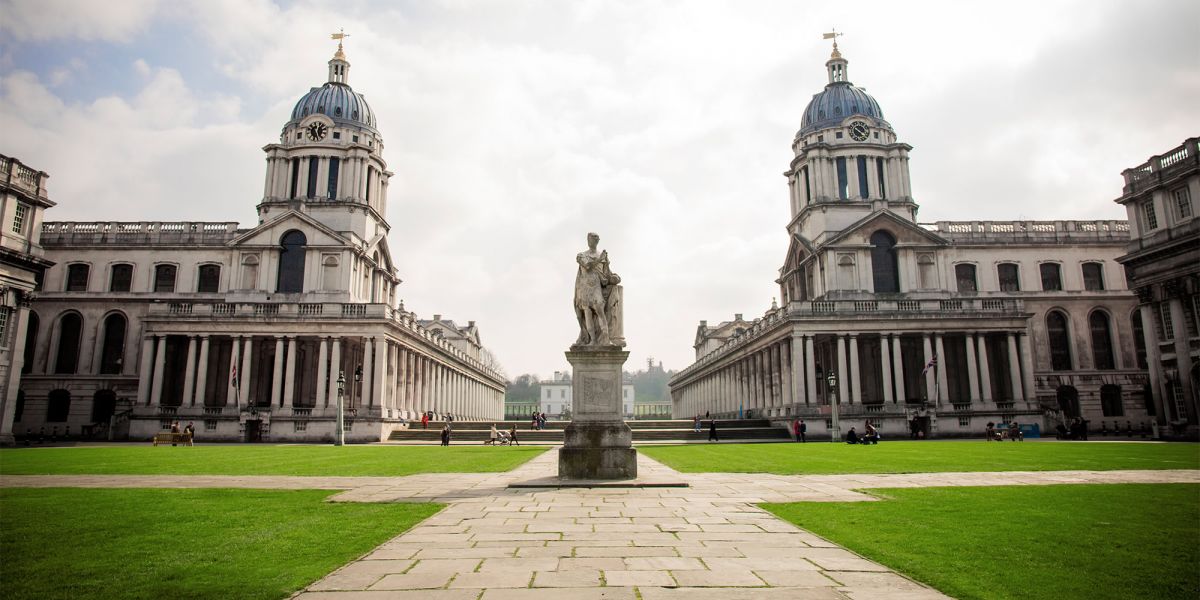
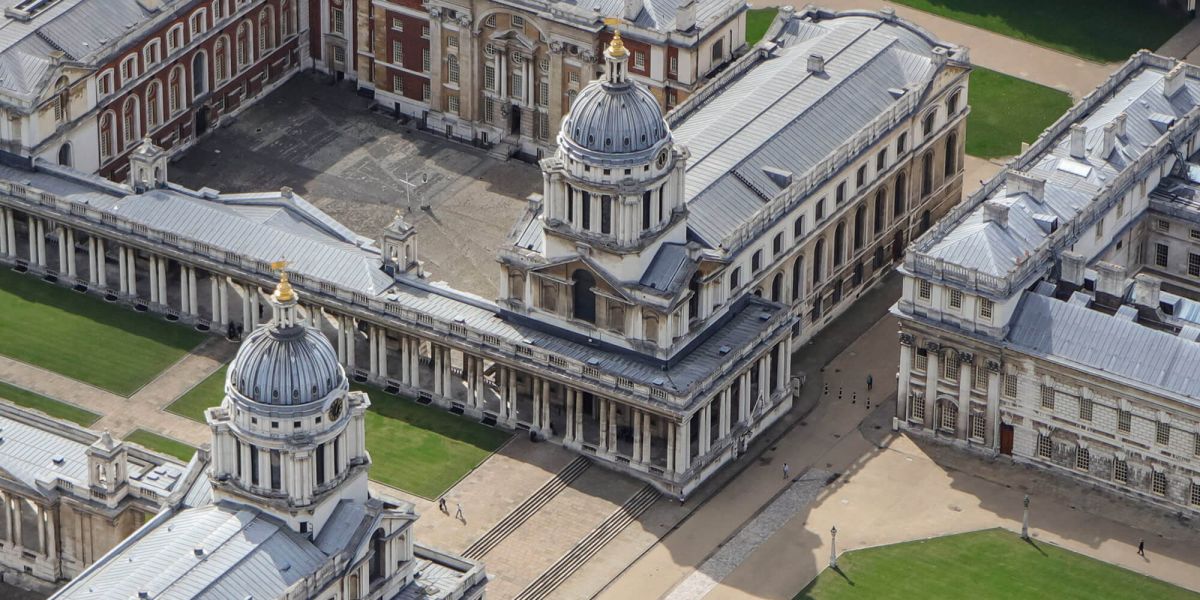
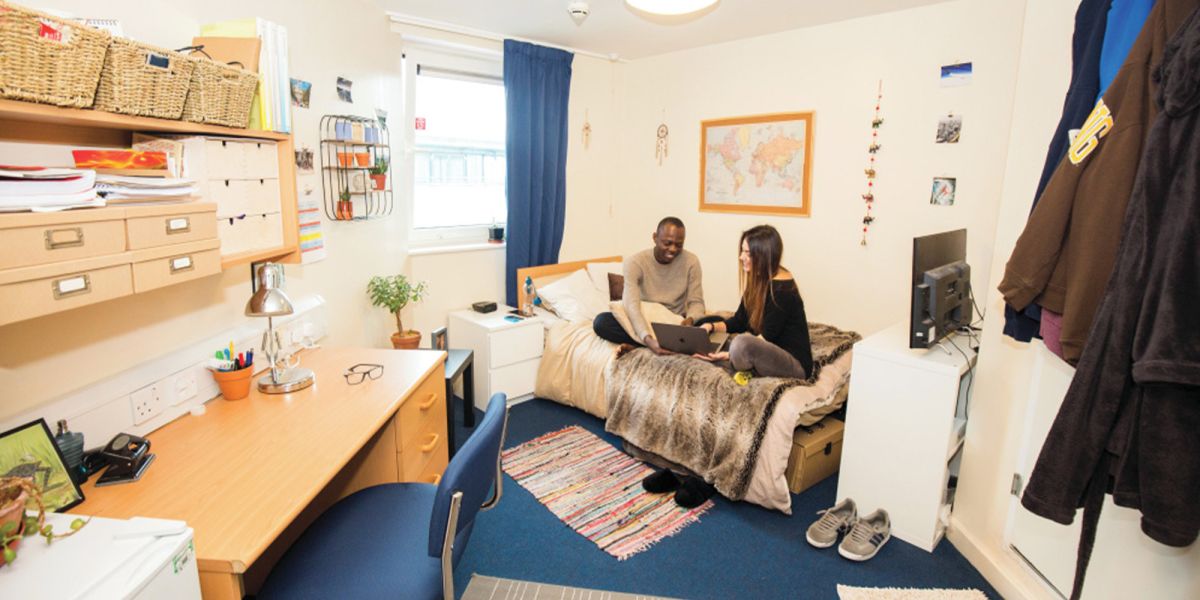
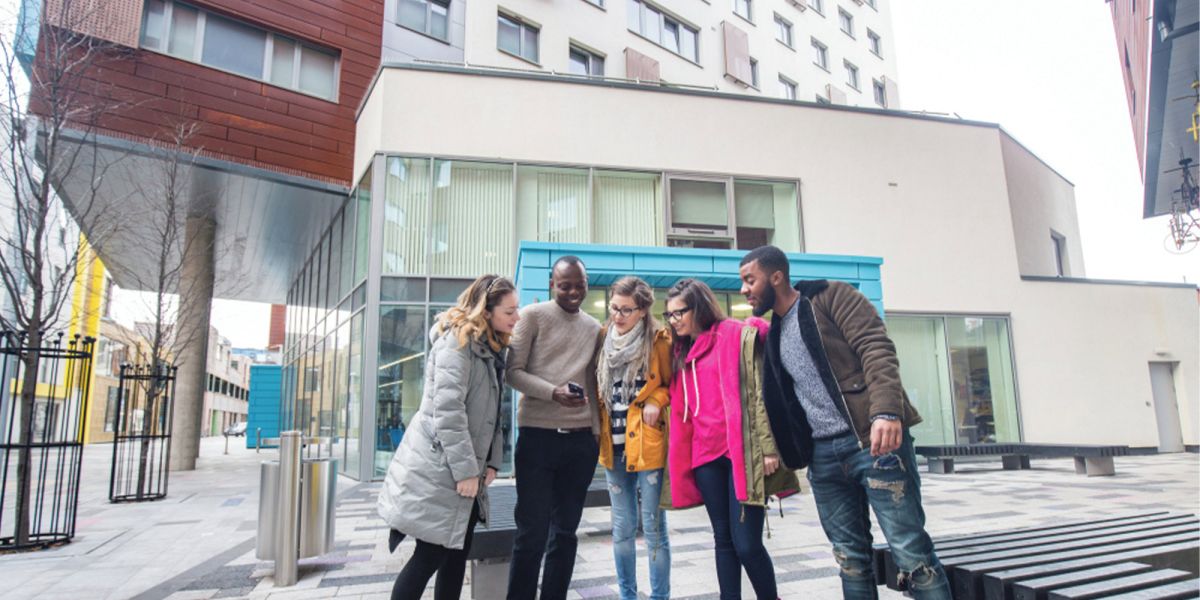
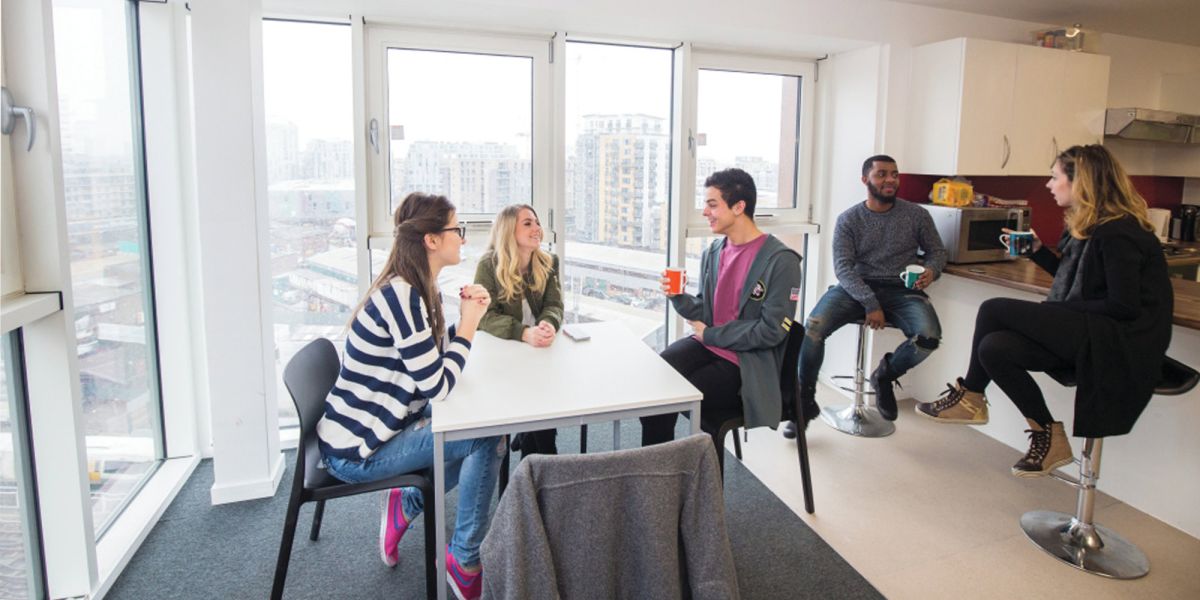
Living in halls of residence is a great way to make new friends and get into the social side of university life. With four great locations, all minutes away from the campus and the centre of historic Greenwich , you will be at the heart of one of the most beautiful university settings in the UK.
Rooms start at £146.30/wk and include Wi-Fi, utility bills, access to our on-campus gym and 24-hour security - and just a 10-minute train journey to central London. Students based at our Greenwich campus can also choose to live the Student Village at Avery Hill, which is only a short ride on our free shuttle bus.
Support and advice
Academic skills and study support
We want you to make the most of your time with us. You can access study skills support through your tutor, our subject librarians, and our online academic skills centre.
Where appropriate, we provide support in academic English and mathematics. If you need to use particular IT packages for a specific module, we provide training for this.
Not quite what you were looking for?
We've got plenty of other courses for you to choose from. Browse our undergraduate courses or check our related courses below.....
Design at the University of Greenwich
Develop your creative and professional abilities on one of our design courses. Study in a building purpose-built for our creative courses in the heart of vibrant Greenwich.
Visit our design degrees page.
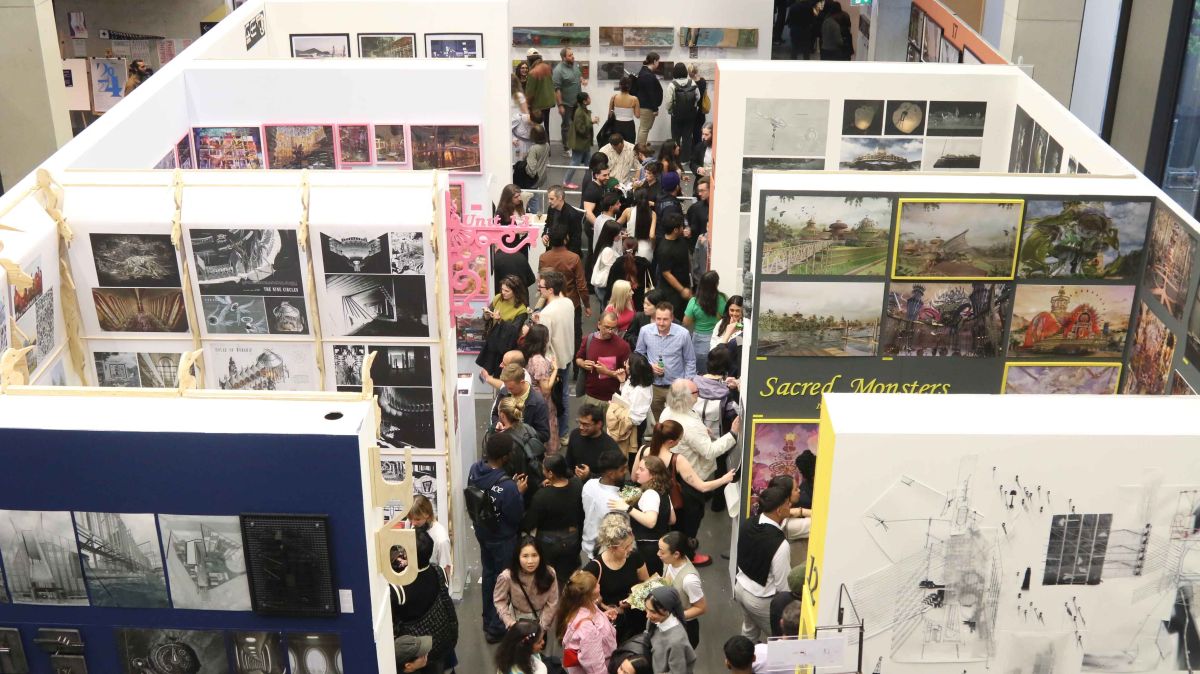
Design and Creative Industries Show 2026
The School of Design and Creative Industries Show is an annual exhibition highlighting the exceptional work of our students across the disciplines of Animation, Architecture, Graphic & Digital Design, Landscape, Film, Media, Music and Sound.
Mode of study
Select from the dropdown below.
| Course level | |
| UCAS code | |
| Duration | |
| Location |