A University of Greenwich team led by Professor Jin Chan developed the FACET project, funded by the European Regional Development Fund from 2020-23. They collaborated with partners from four European countries and drove real change among small and medium-sized enterprises (SMEs), local authorities, and financial stakeholders across the UK and Europe. 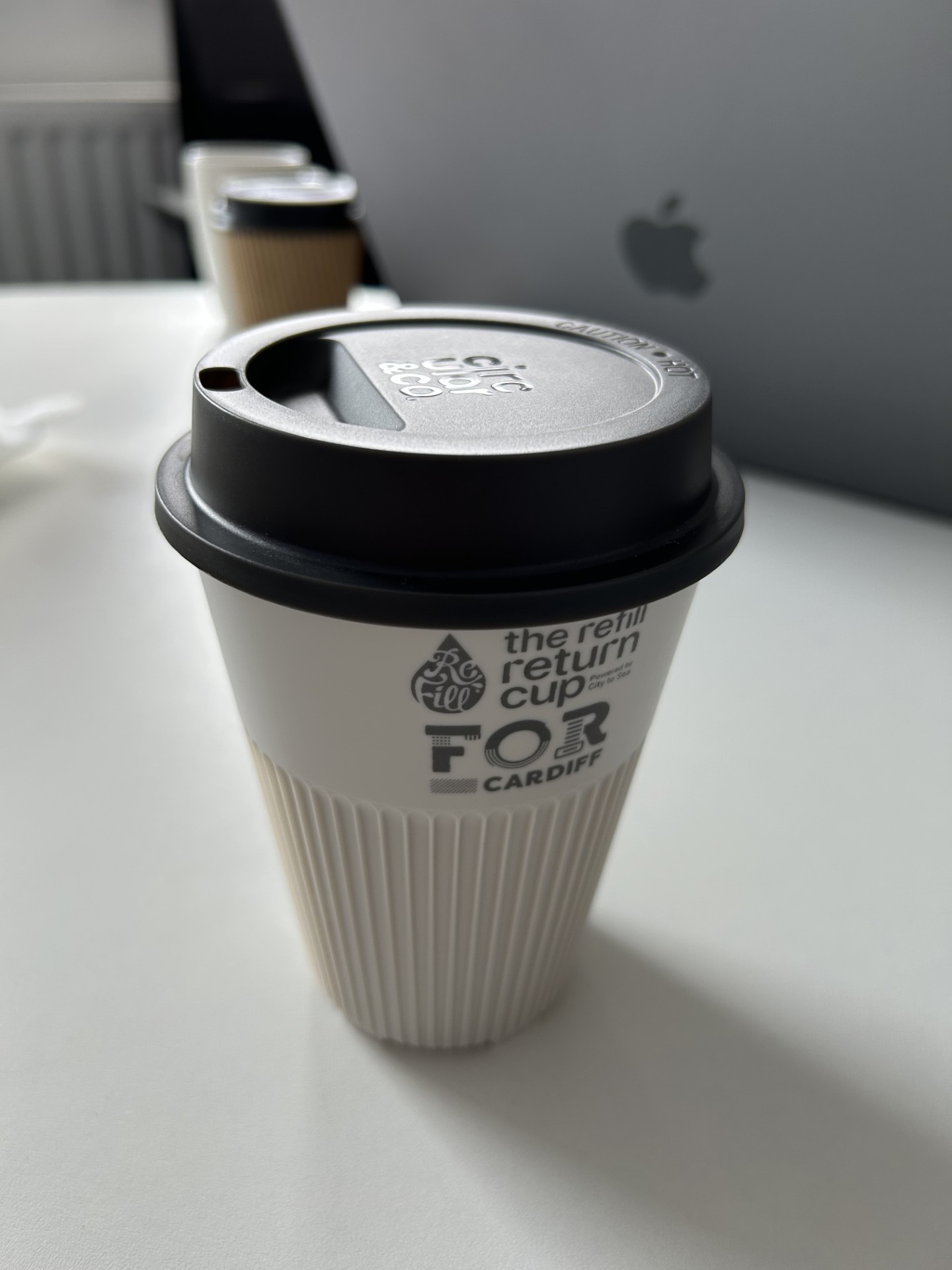
Tackling the challenges of circular transition
Tourism and hospitality SMEs face unique challenges in adopting circular economy principles. Many lack access to tailored tools, financing options, and local authority support. The FACET team’s research identified these barriers and developed practical frameworks to help businesses transform their operations. By introducing innovative models such as coopetition (where competitors collaborate for shared goals) the team created new pathways for businesses to thrive while reducing environmental impact.
Direct impact on businesses and communities
The FACET team worked directly with 76 SMEs to support behavioural change and the adoption of circular toolkits. These interventions have enabled businesses to reduce waste, improve resource efficiency, and embed sustainability into their daily operations.
Collaboration extended beyond individual enterprises. The project team collaborated with 20 local authorities and 20 financial stakeholders, equipping them with knowledge and tools to support circular practices in their regions.
Pioneering coopetition in action
The impact runs beyond the FACET project. The Greenwich team worked with partners, the University of Cardiff, FOR Cardiff Business Improvement District, City to Sea, on the FOR Cardiff Refill Scheme, launched in 2024/25. In partnership with 30 cafes, this initiative introduced reusable coffee cups to replace single-use alternatives. By March 2025, the scheme had engaged more than 1,000 consumers and secured over 10,000 Refill Cup leases, eliminating 10,000 disposable cups and delivering significant carbon savings. The project targets a reduction of 5,000 kg of CO₂-equivalent emissions, demonstrating that small changes can deliver measurable environmental benefits.
Extending the impact
Evidence shows that 32 UK SMEs are already shifting towards circular economy models through FACET pilots, with a further 19 committing to transformation. In the Netherlands and Belgium, 30 SMEs have engaged in small-scale pilots, with 15 projects already implemented. These pilots range from innovative upcycling of seashell waste to collaborative purchasing schemes, showcasing the diversity of circular solutions. For example, the Circular Dijk Suite pilot has been successfully implemented by Camp Site and Villa Park De Paardekreek in Zeeland, the Netherlands.
The University of Greenwich is committed to advancing sustainability in the tourism and hospitality sectors. By combining rigorous research with practical engagement, this work empowers SMEs, councils, and communities to embrace circular economy principles. With support from KE4Impact funding through Greenwich Research and Innovation, the FACET team are building relationships with councils and business improvement districts across new geographical areas. As an example of the team's work extending to other circular economy spaces, the team currently works with repair cafés across England and Wales to improve their efficiency and business models.
As the team continues to expand partnerships and pilot new models, their vision is clear: to accelerate the transition to a sustainable future where tourism and leisure businesses thrive while protecting the planet.
The Greenwich team
The University of Greenwich team includes Professors Jin Chan, Petros Ieromonachou, and Dotun Adebanjo, and Drs Athena Piterou, Lucien von Schomberg, Xiaowen Gao, Sadiye Eylul Sadanoglu, Grace O’Rourke and Azar MahmoumGonbadi. Previous members who have now left the university are Drs Anne-Marie Coles, Angelo Sciacca and Nadine Leder.