Food Innovation, MSc
Contribute to healthy living and lifestyles and be a part of new products with this Master’s in Food Innovation.
Aimed at graduates and professionals seeking to excel in the food science sector, our Food Innovation MSc deepens your understanding of ingredient development and product launch from concept to realisation. The programme focuses on creating innovative brands, identifying novel raw materials, and applying them in new product development—core skills for life science graduates, catering professionals, and specialists in the food and hospitality industries worldwide. You will also explore the fast‑evolving field of packaging and its role in the circular economy, as well as safety and quality parameters across food, ingredients, and packaging through risk analysis and management.
The food and nutrition industry faces a significant skills shortage, with over 2,000 unfilled roles in a sector worth £73bn annually. Without broader investment in talent, the UK risks becoming a centre for administration and mass production rather than innovation, increasing reliance on overseas expertise. Even with EU contributions, shortages affect the entire food chain.
Students gain practical experience in laboratories operating to internationally recognised quality-assurance standards. Taught by NRI’s global experts, the programme equips you with the skills required for a career in product development within the international food and nutrition industry. You’ll learn how to develop healthy, nutritious foods while gaining insight into sustainability and innovation across the food chain. The programme’s principles are globally relevant and adaptable to food industries around the world.
Interested in a different year?
Select your preferred
to view up to date information.
School
Location
Duration
- 1 year full-time
- 2-3 years part-time
Start month
September; January
Home /international fees 2026/27
£11,800 /£18,700
What you should know about this course
What you will study
This programme has been designed for the International Market.
If you arrive after the start of term, certain module choices will not be available to you. Option choices will be limited and may be allocated to you.
About the course team
Dr Micael de Andrade Lima leads this course.
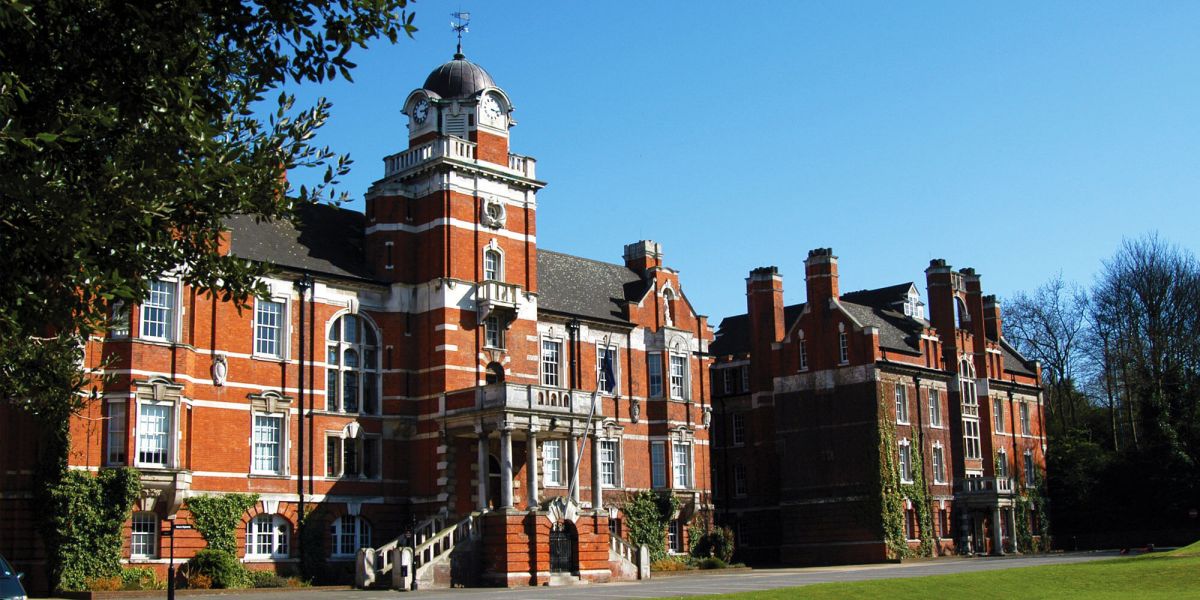
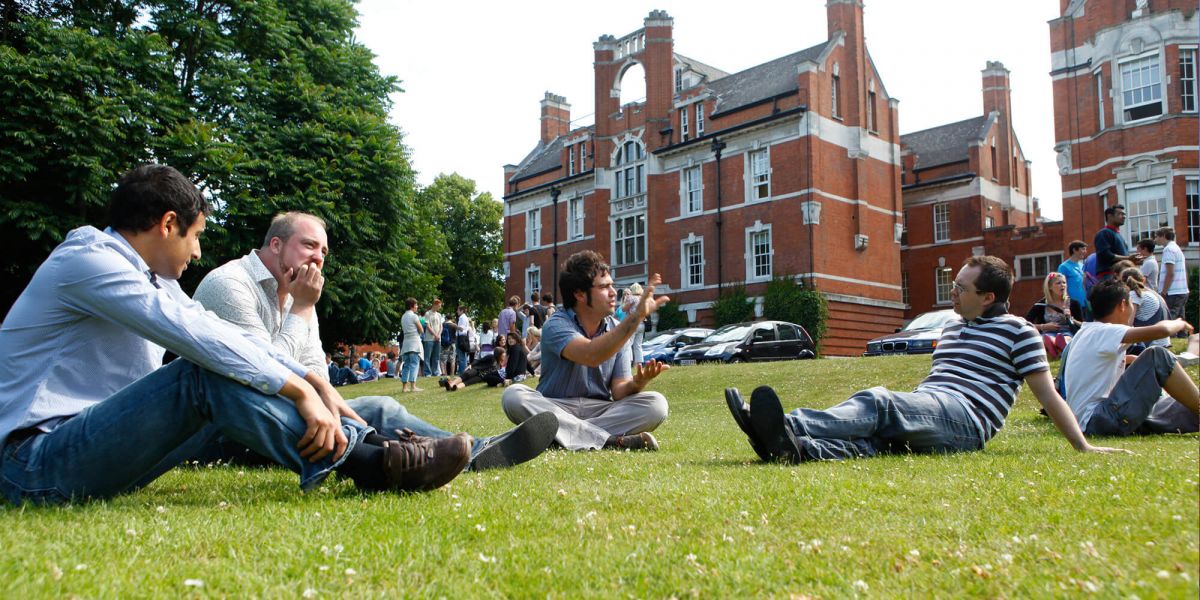
Come and meet us
We are offering virtual events so you can still experience how Greenwich could be the right university for you.
Next Open Days

Got a question?
To find out more about our Open Days and Campus Tours or if you need any assistance, please email opendays@gre.ac.uk.
Entry requirements
An undergraduate (honours) degree at 2:2, or above, in Science, Nutrition or Health.
Subjects may also include Food Science, Technology, Processing, Engineering; Biotechnology, Agricultural Sciences, Chemical Engineering, Gastronomy/Culinary Arts; and other closely related disciplines.
Applicants without a degree that have professional qualifications, or relevant professional experience in the field of Food science/Technology may be considered.
For more information, use our contact form or call us on 020 8331 9000.
You can also read our admissions policy.
If you are from outside the UK
Available to overseas students?
Yes
Can I use Prior Learning?
In some cases, it may be possible to consider your prior learning and experience. Applications are reviewed on a case-by-case basis.
Please note: there is no reduction in fees.
How you will learn
Teaching
This course is taught by lectures, seminars, workshops and lab-based exercises, with the use of practical case studies. You'll gain teamwork experience to simulate an industrial setting as well as the critical thinking and problem-solving abilities which are important for modern pharmaceutical practice.
Class sizes
For specialist modules, our classes are usually limited to 20 students in lab sessions and 40 in lectures. This helps to create familiarity between students and staff and ensure a great learning experience.
The modules that run across several courses can have larger classes sizes, which are typically broken down into smaller groups.
Independent learning
Our courses are designed to give you the space for exploratory and independent study. You'll work towards individual and group assignments and undertake the preparation/follow-up work associated with lectures, seminars, integrative assignments and laboratory classes.
We encourage students to take advantage of a range of related extra-curricular opportunities available within the university and elsewhere.
Overall workload
If you are studying full-time, you should expect the workload to be similar to a full-time job. For part-time students, this will reduce in proportion with the number of courses you are studying.
Assessment
Students will be assessed through a variety of methods, such as:
- Classroom presentations, discussions and case-studies
- Critical reviews, looking at new areas of research
- Examinations.
Feedback summary
University policy is to give feedback on assignments within 15 working days of the coursework submission date.
Examination results will be available within 28 days.
Dates and timetables
Each academic year runs from September to June. You can begin the course in September or January.
Full teaching timetables are not usually available until term has started. For any queries, please call 020 8331 9000.
Fees and funding
University is a great investment in your future. English-domiciled graduate annual salaries were £10,500 more than non-graduates in 2023 - and the UK Government projects that 88% of new jobs by 2035 will be at graduate level.
(Source: DfE Graduate labour market statistics: 2023/DfE Labour market and skills projections: 2020 to 2035).
| Cohort | Full time | Part time | Distance learning |
|---|---|---|---|
| Home | £11,800 | £1,967 per 30 credits | N/A |
| International | £18,700 | £3,117 per 30 credits | N/A |
Accommodation costs
Whether you choose to live in halls of residence or rent privately, we can help you find what you're looking for. University accommodation is available from £126.35 per person per week (bills included), depending on your location and preferences. If you require more space or facilities, these options are available at a slightly higher cost.
Scholarships and bursaries
We offer a wide range of financial help including scholarships and bursaries.
International Scholarship Award
International students can apply for the International Scholarship Award, which is a single year tuition fee discount up to £3,000 if they hold an offer to study at the University of Greenwich for September 2026.
International Scholarship Award
Greenwich Progression Bursary
£3,000 bursary for home fee paying University of Greenwich final year undergraduate students and Alumni.
EU Bursary
Following the UK's departure from the European Union, we are supporting new EU students by offering a substantial fee-reduction for studying.
Financial support
We want your time at university to be enjoyable, rewarding, and free of unnecessary stress, so planning your finances before you come to university can help to reduce financial concerns. We can offer advice on living costs and budgeting, as well as on awards, allowances and loans.
Careers and placements
What sort of careers do graduates pursue?
Graduates from this course emerge with the knowledge and skills to pursue careers at government level, working in competent authorities. They can also pursue careers in the food industry as food technologists, including product development, or in the hospitality sector.
Do you provide employability services?
We have a team dedicated to enhancing student employment outcomes. This includes an Employer Partnerships Manager, who works with companies to provide placement and employment opportunities.
Our team will also help you understand the jobs market, produce effective CVs, and prepare for a graduate job and placement applications in your final year.
Accommodation
Medway campus in Kent
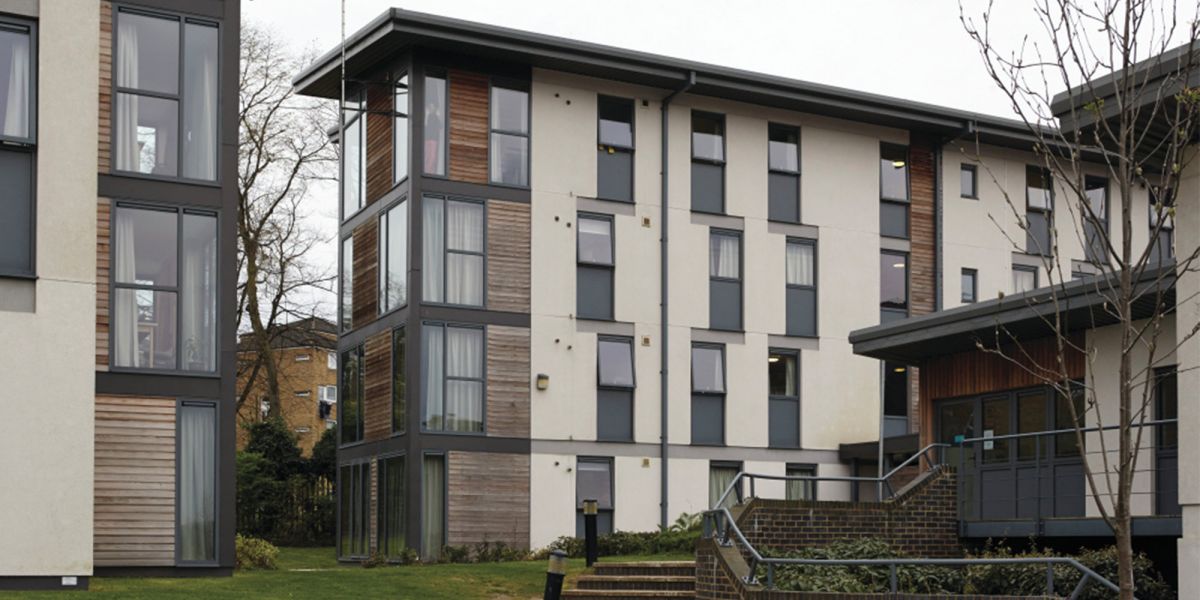
Our Medway halls of residence are all located on-campus, with facilities include an on-site café, launderette and bar. And the halls are located within minutes of the historic Chatham dockyard and Chatham and Gillingham town centres.
With student-run social events, modern ensuite rooms and communal shared spaces, you’ll find that living in halls of residence will be a highlight of your University of Greenwich experience.
Rooms start at £172.06/wk and include Wi-Fi, utility bills and 24-hour residential support. Our Medway accommodation boasts 350 rooms with 24/7 security, and resident car parking permits are available.


Support and advice
Academic skills and study support
We allocate you a personal tutor, who you meet soon after you join the department. Their role is to support your personal and academic development and act as your point of contact for queries or problems.
Support from the department
We help new students over the first few weeks with our faculty and department induction. This covers the first week of term 1 (September) and term 2 (January). We'll also help you discover the academic and social landscape at Medway Campus.
Not quite what you were looking for?
We've got plenty of other courses for you to choose from. Browse our postgraduate courses or check our related courses below.....
Mode of study
Select from the dropdown below.
| Course level | |
| UCAS code | |
| Duration | |
| Location |