
* Home fees
The government regulated undergraduate home tuition fee rate for 2026-27 has been confirmed as £9,790 per year.
Our construction management degree provides a solid platform for careers in project management within the building and construction industries.
Modules include contract administration and construction law, as well as engineering principles. By the end of the course, you'll know how to manage the complex design and construction processes of major building projects and ensure all parties work to a co-ordinated plan.
This course is accredited by the Chartered Institute of Building, which means you can work towards chartered membership as a chartered construction manager or chartered builder.
This programme may include a range of learning activities such as on-campus teaching, practical sessions, workshops, placements or field-based work. These activities form part of the core learning experience.
We welcome applications from disabled students and those with long-term health conditions. We encourage you to contact our Student Wellbeing team as early as possible so we can discuss your individual needs and explore reasonable adjustments. Please also visit our webpage to find out more about support available at the University.
Applying to university can feel overwhelming for many students, and financial challenges can sometimes restrict their opportunities. We are pleased to recognise the generous support of Sodexo, who are funding two £5,000 bursaries for students enrolled on BSc (Hons) Construction Management. To find out more and for the full terms and conditions click here.
72 (full requirements below)
K252 G BSc/DCM
Select your preferred
to view up to date information.

September
£9,790 /£17,975
The government regulated undergraduate home tuition fee rate for 2026-27 has been confirmed as £9,790 per year.
You will be taught by an experienced team which includes academics with a mixture of senior academics and professionals with practical experience. The diversity of the team means that the course retains and develops important links to professional practice. Our research and consultancy work informs academics, and over 90 per cent of our lecturers hold a teaching qualification.
We are offering virtual events so you can still experience how Greenwich could be the right university for you.
To find out more about our Open Days and Campus Tours or if you need any assistance, please email opendays@gre.ac.uk.
Typical UCAS points for Clearing entry: 72.
Please call our Clearing Line or join live chat now to discuss your options.
If you don’t meet the criteria, please do speak to one of our clearing advisors by calling our Clearing Line or join Live Chat now to discuss your options.
Yes
For entry: applicants with professional qualifications and/or four years of full-time work experience will be considered on an individual basis.
For exemption: If you hold qualifications or courses from another higher education institution, these may exempt you from courses of this degree.
Learning takes place through a combination of timetabled learning and independent study.
You can view more information about how each module is taught within our 'What you will study' section.
Seminars and workshops enable you to discuss and develop your understanding of topics covered in lectures in smaller groups. You will also be able to meet your dedicated Academic Tutor. Timetabled learning may fall between 9am and 9pm depending on your courses and tutorials.
The typical student intake per year averages 20-30. Teaching is informed by our research and consultancy work, which is ongoing and regularly shared with students.
Outside of timetabled sessions, you are expected to dedicate time to self-study. This may involve further reading and research, preparing coursework and presentations and preparing for tests and exams.
You can use our Stockwell Street Library and online resources to support you in these activities.
In addition, during the week you can also:
If you are studying full-time, you should expect the workload to be similar to a full-time job. For part-time students, this will reduce in proportion with the number of courses you are studying.
Each module you study towards this degree is worth 15 or 30 credits. These represent around 150 or 300 study hours respectively. If you receive 72 contact hours for a 30-credit module, you should expect to commit 228 hours to independent study to complete it successfully.
You can view how each module is assessed within our 'What you will study' section.
Each course has formal assessments which count towards your grade. Some courses may also include 'practice' assignments, which help you monitor progress and do not count towards your final grade.
We aim to give feedback on assignments within 15 working days.
The academic year runs from September to June.
Full teaching timetables are not usually available until term has started. For any queries, please use our contact form.
| Cohort | Full time | Part time | Distance learning |
|---|---|---|---|
| Home* | £9,790 | £2,445 per 30 credits | N/A |
| International | £17,975 | £4,494 per 30 credits | N/A |
University is a great investment in your future. English-domiciled graduate annual salaries were £10,500 more than non-graduates in 2023 - and the UK Government projects that 88% of new jobs by 2035 will be at graduate level.
(Source: DfE Graduate labour market statistics: 2023/DfE Labour market and skills projections: 2020 to 2035).
The government regulated undergraduate home tuition fee rate for 2026-27 has been confirmed as £9,790 per year.
Construction site visits and field trips form an integral part of the learning process, allowing you to put theory into practice. For site visits and field trips, you will need to pay your own travel and subsistence costs.
We offer a wide range of financial help including scholarships and bursaries.
This bursary is worth £700 for new undergraduate students with a low household income, entering Year 0 or 1 who meet the eligibility criteria.
Following the UK's departure from the European Union, we are supporting new EU students by offering a substantial fee-reduction for studying.
We want your time at university to be enjoyable, rewarding, and free of unnecessary stress, so planning your finances before you come to university can help to reduce financial concerns. We can offer advice on living costs and budgeting, as well as on awards, allowances and loans.
This course can be taken in sandwich mode, which means you can take a year to work in industry between your second and final years of study. Sandwich placements are relevant to your degree subject and are paid roles. It is the very best way of preparing you for successfully finding a job quickly when you graduate.
Sandwich placements last for between 9-13 months. Work-based learning module placements are normally one day a week for either one or two terms depending on the number of credits available from the module.
Sandwich placements are paid roles whereas work-based learning module placements are normally unpaid.
The skills you acquire through studying our courses will prepare you for careers in a wide range of industries and jobs. Graduates have a multitude of career options to pursue, working for both public and private sector clients, in specialist and generic consultancy roles. Roles may be focused upon any combination of managerial, software or technical skills. This course is accredited by the Chartered Institute of Building.
Students are encouraged to take up Summer internships during the Summer holidays, though it is up to the student to find them. Support is available to students from the Employability and Careers Service when applying for placements and internships.
Employability activities take place all the time at Greenwich and students are encouraged to take part in as many opportunities as possible. The central Employability and Careers Service provides support for students preparing to apply for placements and graduate roles, such as CV clinics, mock interviews and employability skills workshops. In addition, your School has a dedicated Employability Officer who will be organising work-related activities throughout the year which will help you to build you industry knowledge and networks.
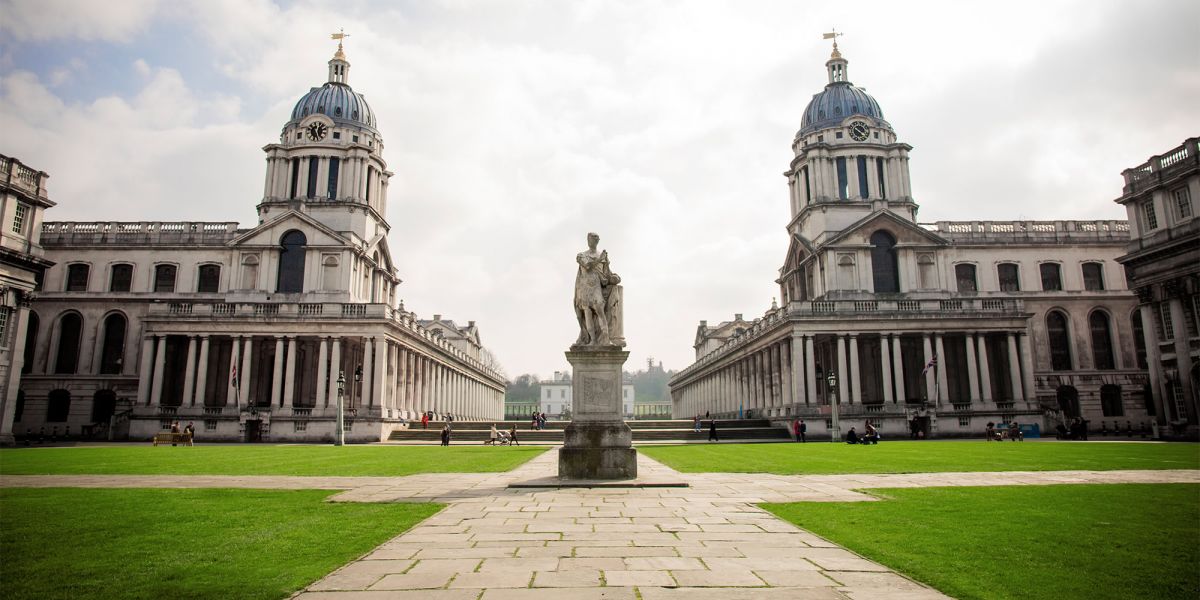
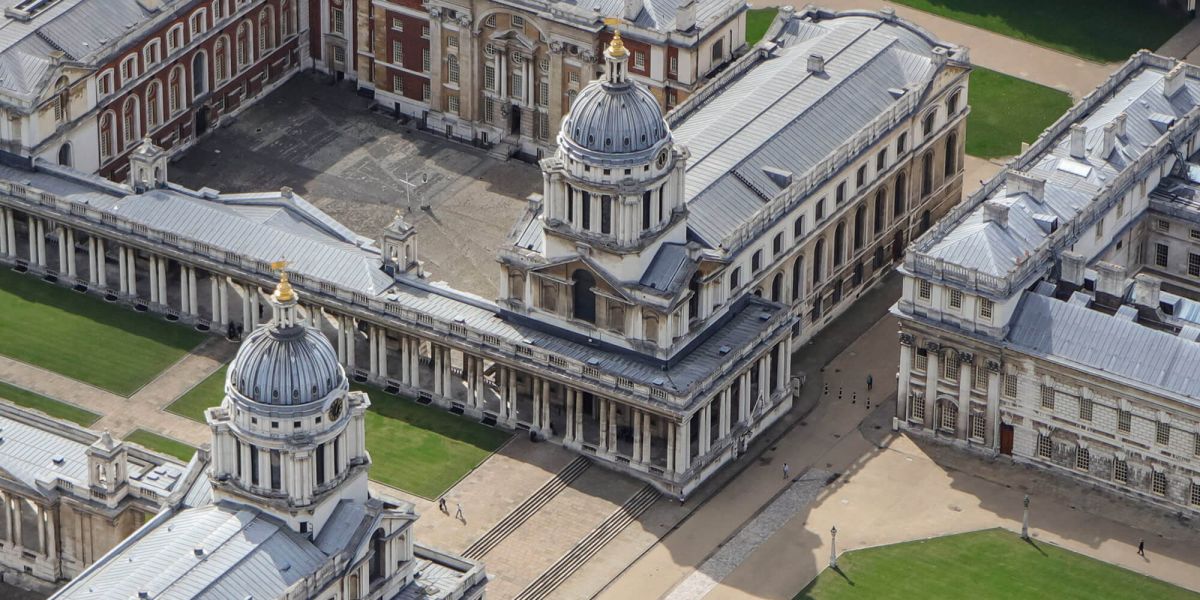
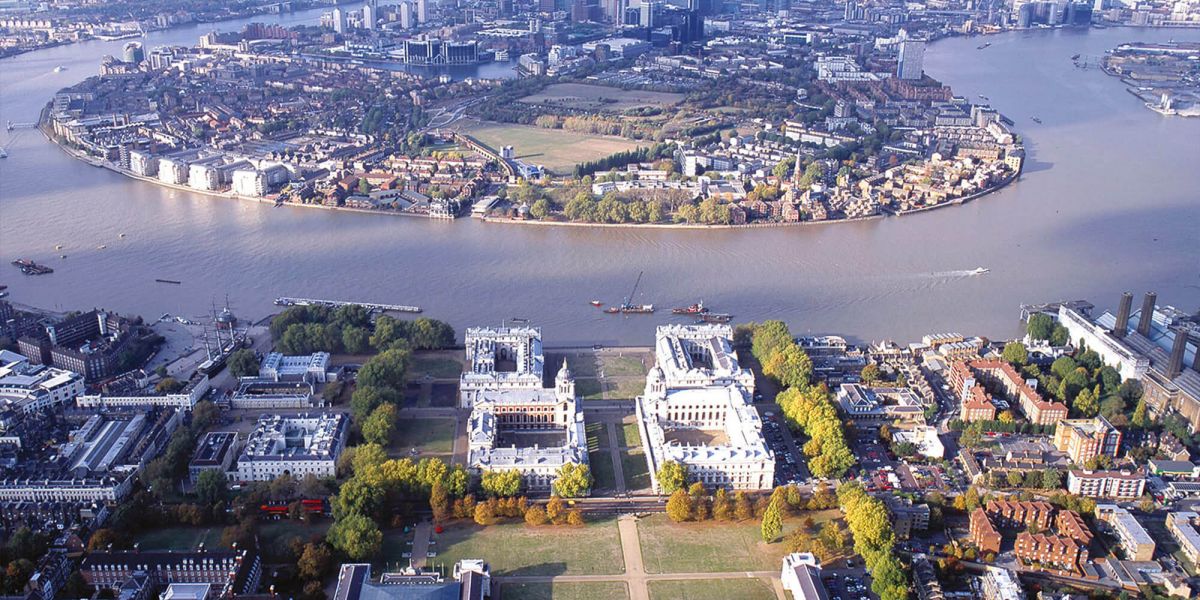
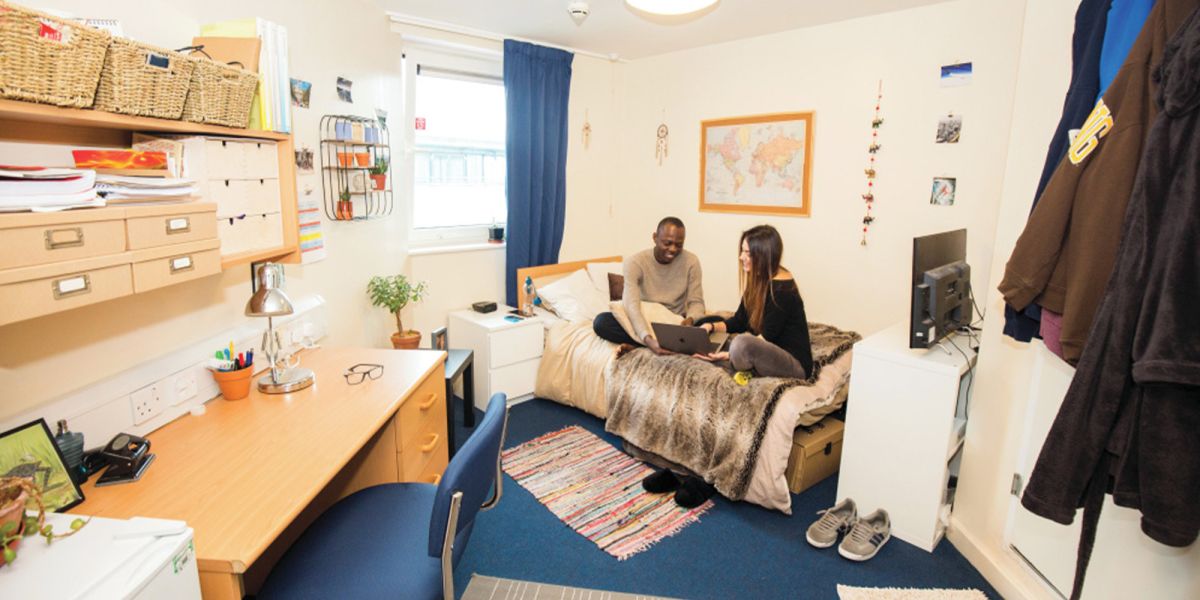
Living in halls of residence is a great way to make new friends and get into the social side of university life. With four great locations, all minutes away from the campus and the centre of historic Greenwich , you will be at the heart of one of the most beautiful university settings in the UK.
Rooms start at £146.30/wk and include Wi-Fi, utility bills, access to our on-campus gym and 24-hour security - and just a 10-minute train journey to central London. Students based at our Greenwich campus can also choose to live the Student Village at Avery Hill, which is only a short ride on our free shuttle bus.
We want you to make the most of your time with us. You can access study skills support through your tutor, our subject librarians, and our online academic skills centre.
Where appropriate, we provide support in academic English and mathematics. If you need to use particular IT packages for a specific module, we provide training for this.
This programme may offer a variety of learning experiences, including on-campus teaching, practical sessions, workshops, placements, and fieldwork.
The Student Wellbeing Service provides support for disabled and neurodivergent students (such as those with dyslexia, autism, or ADHD), students with long-term health conditions, and those experiencing mental ill health.
If you're applying, we encourage you to get in touch early to discuss your individual needs and explore reasonable adjustments. You can also visit our support pages to discover the full range of help available at the university.
We've got plenty of other courses for you to choose from. Browse our undergraduate courses or check our related courses below.....
Our range of courses, some of which are professionally accredited, will give you the skills and knowledge you need to start, or develop, your career.
Visit our construction degrees page.
Gain a solid foundation in all aspects of engineering in specialist labs on our Medway Campus and choose the area you want to specialise in later in your studies.
Visit our engineering degrees page.
Study in specialist laboratory facilities at our Medway Campus where you’ll gain the skills and knowledge you need to become a professional chemical engineer, using the latest equipment and simulation software.
Discover pioneering approaches in specialist laboratory facilities on our Medway Campus, where you will use the latest surveying equipment and learn how to apply them in real-world scenarios.
These pioneering degrees combine technical engineering with an impressive depth of computer theory. You'll gain the specialist knowledge and skills needed to work in this cutting-edge industry.
Our range of courses, some of which are professionally accredited, will give you the skills and knowledge you need to start, or develop, your career.
Learn how to make the world a better, more connected place. You will study in specialist lab facilities on our Medway Campus and benefit from our close ties with engineering companies such as BAE Systems and Ford.
Combine solid technical skills in engineering with business enterprise management skills. Studying on our Medway Campus, you will benefit from specialist and integrated lab facilities.
Learn how to apply engineering to a range of real-world problems. Studying on our Medway Campus, you will develop the skills and knowledge you need to drive changes in product design using the latest technological advances.
This is one of the broadest areas of engineering. You will learn about the design, construction and operation of mechanical systems. Studying at our Medway Campus, you’ll benefit from our strong links with local industry.
Select from the dropdown below.
| Course level | |
| UCAS code | |
| Duration | |
| Location |